There's a week in your life you never forget. For us, it was the week between getting our son assessed and going back to collect the results.
We'd been going around in circles for a while. Teachers said he seemed fine at school. Our GP, and I have a lot of affection for him, we still have coffee occasionally, said he was just a growing boy. But my wife knew. She'd known before anyone else had a word for it.
We ended up at a place called CYMS. What they do there is extraordinary: they take your child into a room with a specialist, and through a one-way mirror, a second group of specialists watches everything. At the end, they gather and discuss. Then they come back to you with a diagnosis, or not. The whole process takes a few hours. For us, it was just watching, waiting, and thinking.
During that week between the assessment and the results, my wife and I talked about what it would mean. What if they said yes? What if they said no? We had very different ways of looking at it. I was already thinking about what I'd need to learn. My wife was thinking about something else entirely.
When they told us our son had autism, I remember my exact thought: Cool. Now I know what to do. That was it. I felt completely at ease. I had a map. I could get all the books I could find, teach myself everything, make his life better. For me, the diagnosis was like being handed the instruction manual you didn't know was missing.
“A diagnosis isn't a verdict. It's a starting point. It changes the question from 'what's wrong with my child?' to 'what does my child actually need?'”
Follow on Instagram
My wife cried.
For years, I assumed I knew why. I thought I understood. But it was only recently, when I told her we were starting this podcast, that I asked her directly what those tears were actually about. And the answer changed how I understood that day completely.
It wasn't about our son. It was about the expectations she'd already built in her mind. From the moment she'd known she was pregnant, she'd been imagining what it would all look like. His first football game. The school team. The things they'd do together. And in the moment she heard that diagnosis, all of those images dissolved. Not because any of it was impossible. But because the picture she'd been carrying suddenly needed to change.
That's the grief nobody prepares you for. Not grief for your child, your love for them doesn't change. If anything, it intensifies. But grief for the version of the future you'd already started living in your head. That grief is real, and it's valid, and it needs space.
The relief comes too. It always does. Because a diagnosis isn't a verdict. It's a starting point. It changes the question from 'what's wrong with my child?' to 'what does my child actually need?' And that shift, that single shift in the question, is where everything begins to change.
Not long after we got our son's diagnosis, we sat every family member down around the table. We explained what it meant, how we were going to parent, and what we needed from them. We made it clear: if school doesn't follow the same rulebook, and family doesn't follow the same rulebook, then we're not really helping him. We needed everyone on board. And they were.
Key takeaways
- Parents can have genuinely different reactions to the same diagnosis, both are valid
- The grief after a diagnosis is often about expectations, not about your child
- Loop in family and school early, consistency across environments is critical
- A diagnosis is a map, not a ceiling
The day you get the diagnosis is one day. What you do with it is the rest of your life.
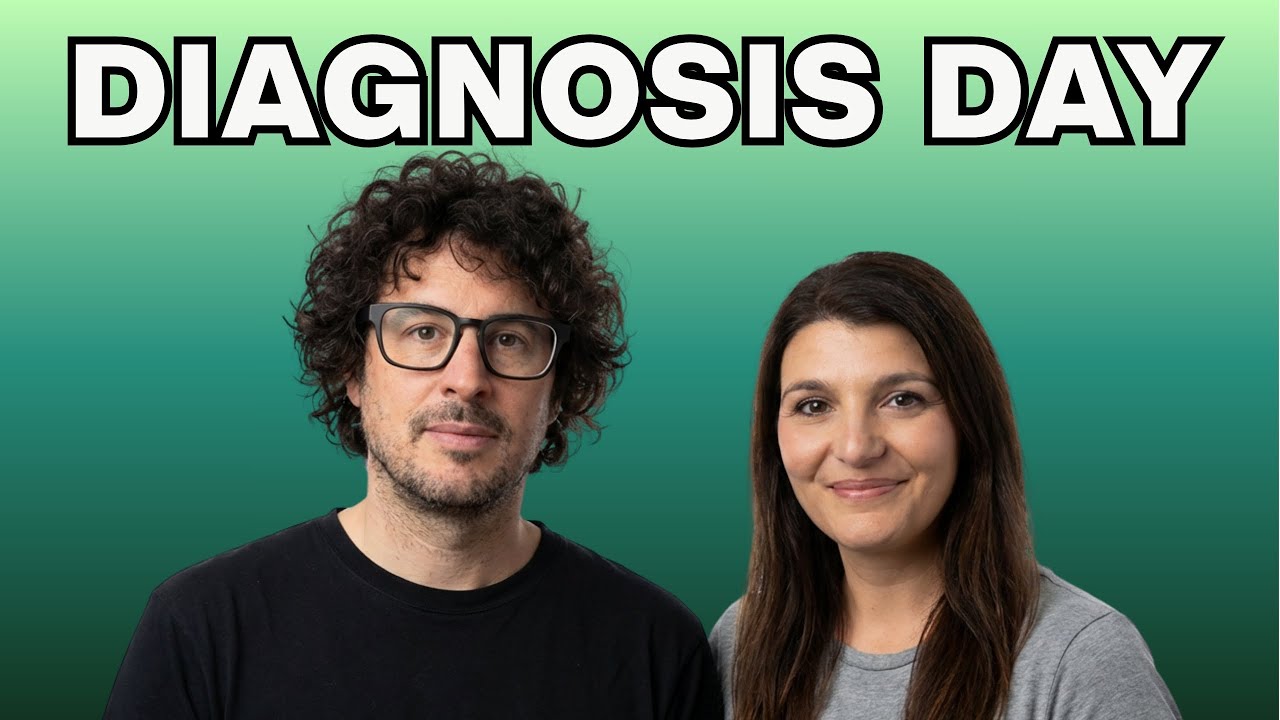
Episode 1 · Watch the conversation
The Day We Got the Diagnosis
37 min
Go deeper
Watch the full conversation on YouTube
A note on accuracy:While every effort has been made to ensure the information in this post is accurate at the time of writing, facts, policies and research can change. We're human, and sometimes we get things wrong. If you spot something that needs updating, we'd genuinely love to hear from you.

Dave Harrison
ESW · Neurodiversity Advocate · Podcast Host
Dave has spent 15+ years working in Australian classrooms as an Education Support Worker, with a background that also spans film school and film projects. He's the founder of THRVHUB, host of the Different Is Normal podcast and a passionate advocate for neurodivergent kids and the families who love them.
More about DaveComments
Sign in with GitHub to leave a comment. All comments are moderated through GitHub Discussions: respectful and on-topic only.