I had a picture in my head of what family dinners would look like. Everyone around the table, same food, everyone using their cutlery correctly, the children listening while the adults talked, then the children sharing their days. Maybe we'd say three things we were grateful for.
I genuinely believed this was happening in other households. I had no concrete evidence of this. I may have learned it from television. But it felt like a fact about normal family life, and I was quietly devastated every time it kept not happening in mine.
Here's the reality of dinner in a neurodivergent household: food is already a battlefield for some of us. My daughter has ARFID, avoidant and restrictive food intake disorder, alongside coeliac disease and fructose malabsorption. She eats what she can eat, from the plates that feel right, in the conditions she can manage. Add the texture of a formal table, the demand of performance, and the expectation of emotional availability at the end of a full school day, dinner becomes something she was dreading before it started.
I was so focused on what I thought family connection was supposed to look like that I kept missing what was actually getting in the way. The stress had become anticipatory. I could feel it building before I even turned the stove on. And she could feel it too, because kids always feel it.
So we asked the question that changed everything: what's the actual goal here? Is it the table? Is it the cutlery? Is it the same food at the same time? Or is it connection, and if it's connection, do we actually need any of those other things to get there?
“We asked the question that changed everything: what's the actual goal? Is it the table, the cutlery, the same food at the same time? Or is it connection, and do we need any of those things to get there?”
Follow on Instagram
The answer was no. We didn't. Once we stopped forcing the format, something interesting happened. Dinner became something she could be present for, on her terms. On the couch. In her room. On the floor if she needed to. With the food she could manage, on the plate she needed, without anything touching. And over time, once eating stopped feeling dangerous, she started appearing in the living room. Saturday night movies became a thing.
Connection found us. We just had to stop blocking the doorway with a formal dining table.
A lot of the expectations we carry into parenthood came from somewhere: movies, other families, the way we were raised. And some of them won't fit. Not because there's anything wrong with your family. But because those pictures were built without your family in mind.
The things I've let go of include: family dinners around the table every night, sleepovers at friends' houses, school camps that go without extensive planning, spontaneous plans, and the assumption that 'doing fine' at school means everything is fine. What I've gained instead is a much more honest picture of my children, of what they can do and what it costs, and a set of rituals that actually work for us.
We do have dinner together sometimes. When it happens naturally, it's some of my favourite time. No one forced it. Everyone's there because they want to be. And it's better than any forced gathering ever was.
Key takeaways
- Many family rituals are built on assumptions that don't fit every household
- Sensory, dietary and emotional challenges can make mealtimes a pressure point
- When you remove the format, the actual connection often finds its own way in
- Examine inherited expectations about what family life 'should' look like
Letting go of the picture doesn't mean letting go of what matters. It means giving what matters a chance to actually arrive.
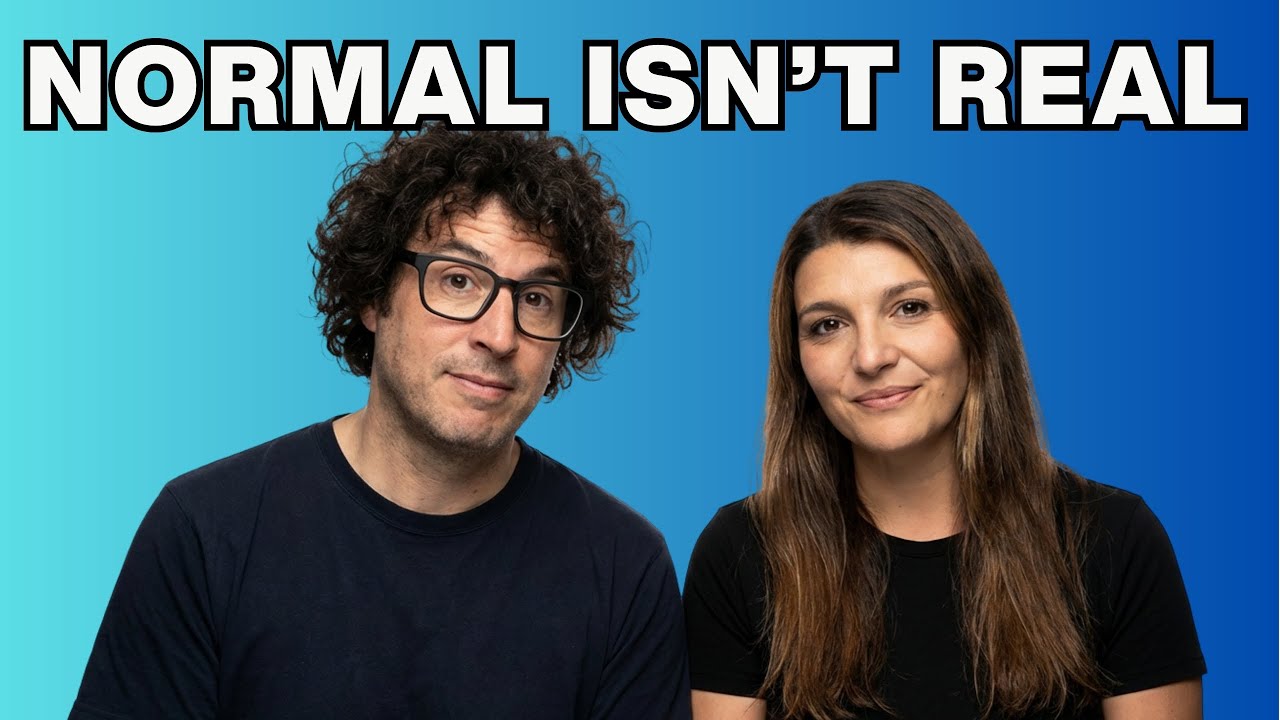
Episode 2 · Watch the conversation
The Dinner Table We Let Go Of
52 min
Go deeper
Watch the full conversation on YouTube
A note on accuracy:While every effort has been made to ensure the information in this post is accurate at the time of writing, facts, policies and research can change. We're human, and sometimes we get things wrong. If you spot something that needs updating, we'd genuinely love to hear from you.

Dave Harrison
ESW · Neurodiversity Advocate · Podcast Host
Dave has spent 15+ years working in Australian classrooms as an Education Support Worker, with a background that also spans film school and film projects. He's the founder of THRVHUB, host of the Different Is Normal podcast and a passionate advocate for neurodivergent kids and the families who love them.
More about DaveComments
Sign in with GitHub to leave a comment. All comments are moderated through GitHub Discussions: respectful and on-topic only.