There's a version of neurodivergent burnout that doesn't look like collapse. It looks like flatness. Like the child who stops doing the thing they love most. Like the adult who used to hyperfocus on their passion project and now just scrolls. Like the person who can't answer a simple question and isn't sure why.
When masking goes on long enough without enough recovery, the system starts to shut things down. Not dramatically, not always in a way anyone around you would notice. But the things that used to come easily stop working. Executive function goes first: starting tasks, packing a bag, answering messages, getting into the shower. These things don't just feel harder. They become impossible in a way that's difficult to describe to someone who hasn't experienced it.
If you ran a marathon, the last thing you'd want to do when you got home is mow the lawn. Now imagine running that marathon every single day. The inability to begin isn't a character flaw. It's depletion. And telling someone who is depleted to 'just push through' is about as useful as suggesting they levitate.
One of the clearest signals of burnout, in our family and in many others, is sleep. When the nervous system is running on empty, sleep becomes disrupted, trouble falling asleep, frequent waking, or conversely, sleeping far more than usual. There's a particular pattern that drives parents wild: the child who is clearly exhausted but cannot wind down. They're up, they're restless, they're not okay and they know it.
What's happening is that the body needs to regulate before it can rest. The regulation hasn't happened yet. If a parent responds by enforcing a strict bedtime without allowing for that regulatory process, the situation escalates. What might have taken twenty minutes to resolve now takes three hours, a meltdown, and everyone is worse off for it.
“School 'refusal' is almost never the right term for neurodivergent kids. They're not refusing, they can't. And the response that works comes from understanding the difference.”
Follow on Instagram
In our house, we learned to build in regulation first. It might look like swinging, or a specific TV show, or stimming in the hallway before coming upstairs. It doesn't look like what bedtime 'should' look like. But it works. And 'works' is the only metric that matters.
Another signal worth watching: when a child stops engaging with their special interest. The person who is always talking about trains goes quiet about trains. The kid who draws every day puts the pencils down. That withdrawal isn't apathy. It's the nervous system conserving the last of its resources, pulling back from everything non-essential.
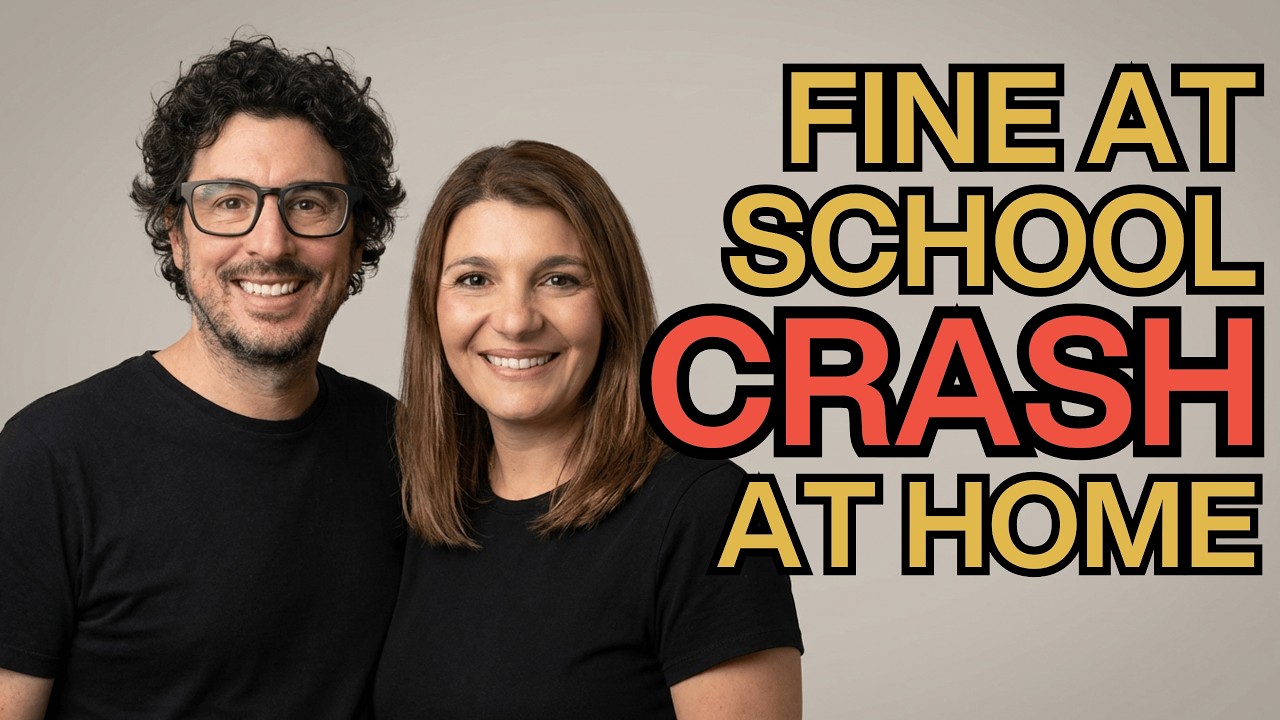
School refusal is worth talking about here. For neurodivergent kids, 'school refusal' is almost never the right term. They're not refusing. They can't. The executive functioning required to walk into a school building and function within it is simply beyond what's available that day, or that week. It's school can't, not school won't. And the responses that work come from understanding the difference.
What burnout needs, what actually helps, is reduction of demand and increase of safety. Not punishment, not pressure, not being told to try harder. Rest. Predictability. Fewer questions. More familiar things. Permission to not be okay for a bit, without consequence.
Key takeaways
- Burnout can look like flatness, withdrawal, or inability to begin tasks
- Sleep disruption is an early and reliable signal that something needs to change
- Withdrawal from special interests is a significant warning sign worth taking seriously
- Recovery from burnout requires reduced demand and increased safety, not more pressure
The goal isn't to push through. The goal is to restore enough capacity that pushing through eventually becomes possible again.
Episode 6 · Watch the conversation
When Burnout Looks Like Giving Up
1h 23min
Go deeper
Watch the full conversation on YouTube
A note on accuracy:While every effort has been made to ensure the information in this post is accurate at the time of writing, facts, policies and research can change. We're human, and sometimes we get things wrong. If you spot something that needs updating, we'd genuinely love to hear from you.

Dave Harrison
ESW · Neurodiversity Advocate · Podcast Host
Dave has spent 15+ years working in Australian classrooms as an Education Support Worker, with a background that also spans film school and film projects. He's the founder of THRVHUB, host of the Different Is Normal podcast and a passionate advocate for neurodivergent kids and the families who love them.
More about DaveComments
Sign in with GitHub to leave a comment. All comments are moderated through GitHub Discussions: respectful and on-topic only.